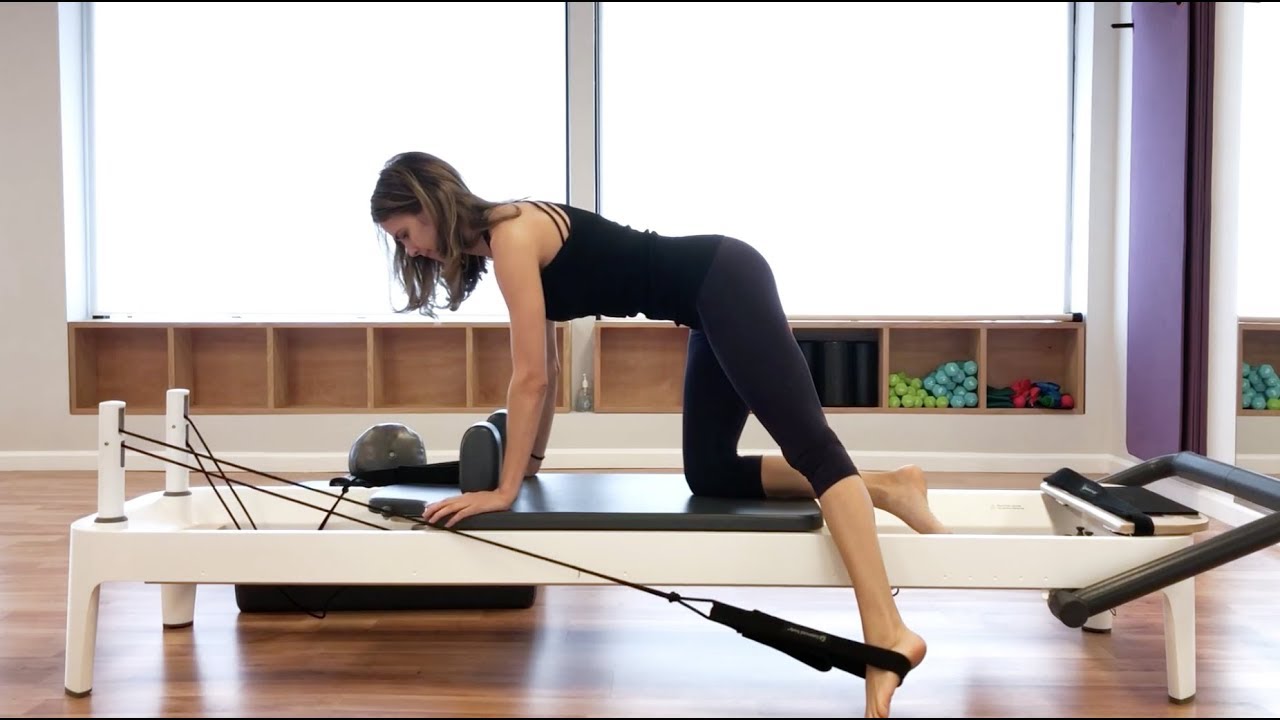
Clinical Pilates takes the familiar principles of Pilates and shapes them around one person's clinical picture. Controlled movement, breathing and postural awareness stay central, but they are applied through a physiotherapist's understanding of injury, pain and how the body is built to move. Taught that way, it becomes a way of finding where the muscular and movement systems have drifted out of balance, including the patterns left behind by past injuries and accidents, and then rebuilding with a programme written for that individual. I use it as the movement arm of the Functional Neuro Health work I do, because a nervous system that feels safe and supported moves differently.
What sets clinical Pilates apart
Programming is individualised. Every session is shaped by the person's history, whether that is an injury, a postural pattern, or a named condition such as back pain or recovery from surgery. The goals are therapeutic: restoring function, easing symptoms and lowering the chance of another injury. Sessions are led by a physiotherapist with additional Pilates training, not a general fitness instructor. And they may involve equipment such as a reformer, or stay on the mat with floor-based work, depending on what the body needs that day.
Where I use it
- Ongoing back or neck pain
- Postural patterns that cause trouble
- Joint problems, including hip, shoulder and knee rehabilitation
- Pregnancy and postnatal care
- Rebuilding after surgery